

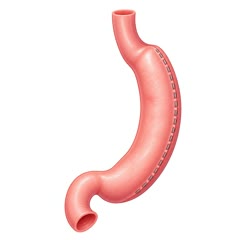
Gastric Sleeve
A laparoscopic procedure that reduces stomach size to limit food intake and reduce hunger hormones — one of the most commonly performed weight-loss surgeries today.
Read moreHouston Surgical Weight Loss is a premier bariatric surgery center serving Greater Houston, Spring, and The Woodlands, specializing in laparoscopic gastric sleeve, gastric bypass, and revision weight loss surgery.



Houston Surgical Weight Loss, with Dr. Irfan Wadiwala, offers a full range of minimally invasive bariatric procedures — including gastric sleeve, gastric bypass, gastric balloon, and revision surgery — so you can choose the option that best fits your health history and your goals.
Explore ProceduresNot everyone needs surgery. Dr. Wadiwala will work closely with you to assess your medical history and weight-loss goals, then build a physician-supervised plan using medication support tailored to you.
Request an Appointment
A laparoscopic procedure that reduces stomach size to limit food intake and reduce hunger hormones — one of the most commonly performed weight-loss surgeries today.
Read more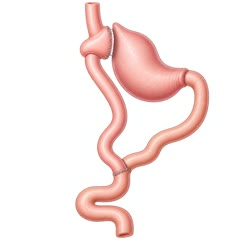
Reroutes part of the digestive tract to reduce both the amount you can eat and the calories your body absorbs, often recommended for higher BMI or reflux-related cases.
Read more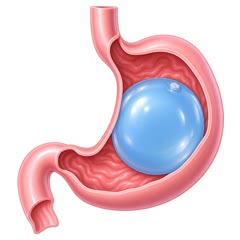
A temporary, non-surgical balloon placed in the stomach to encourage portion control and jump-start weight loss for patients who aren't ready for surgery.
Read more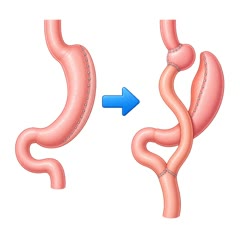
For patients who need adjustments or a second procedure after a prior weight-loss surgery, to help regain progress toward their goals.
Read more
Gallbladder removal, hernia repair, and appendectomy performed with the same minimally invasive, patient-first approach.
Read more
Anti-reflux surgery such as Nissen fundoplication — a minimally invasive treatment for severe GERD that lets patients resume normal eating faster.
Read moreHow gastric sleeve, gastric bypass, gastric balloon and revision surgery compare at a glance. Figures are typical ranges; your results depend on your health, your starting weight and your follow-up care.
| Gastric Sleeve | Gastric Bypass | Gastric Balloon | Revision Surgery | |
|---|---|---|---|---|
| Approach | Laparoscopic surgery | Laparoscopic surgery (Roux-en-Y) | Non-surgical, placed endoscopically with no incisions | Laparoscopic surgery |
| How it works | Removes 70–80% of the stomach, limiting portions and reducing hunger hormones | Creates a small stomach pouch and reroutes the intestine, reducing both intake and calorie absorption | A soft balloon fills part of the stomach so you feel full sooner | Adjusts or converts an earlier weight loss surgery, such as sleeve to bypass |
| Typical weight loss | Up to 70% of excess body weight in the first year | 60–80% of excess body weight within 12–18 months | 30–40% of excess body weight | Depends on the original procedure and the revision performed |
| Hospital stay | Most patients go home the same day | 1–2 days | Outpatient, home the same day | Depends on the revision performed |
| Back to normal routines | 2–4 weeks | 2–4 weeks | 2–3 days | 2–3 weeks |
| Permanent or temporary | Permanent | Long-term | Temporary, removed after 6–12 months | Long-term |
| Often a fit for | BMI 35+, or 30+ with related health conditions | BMI 40+, or 35+ with related health conditions; often recommended for reflux | BMI 30–40, or patients not ready for surgery | Weight regain, too little weight loss, reflux or complications after a prior surgery |
Dr. Wadiwala will recommend the procedure that best fits your health history and goals during your consultation.
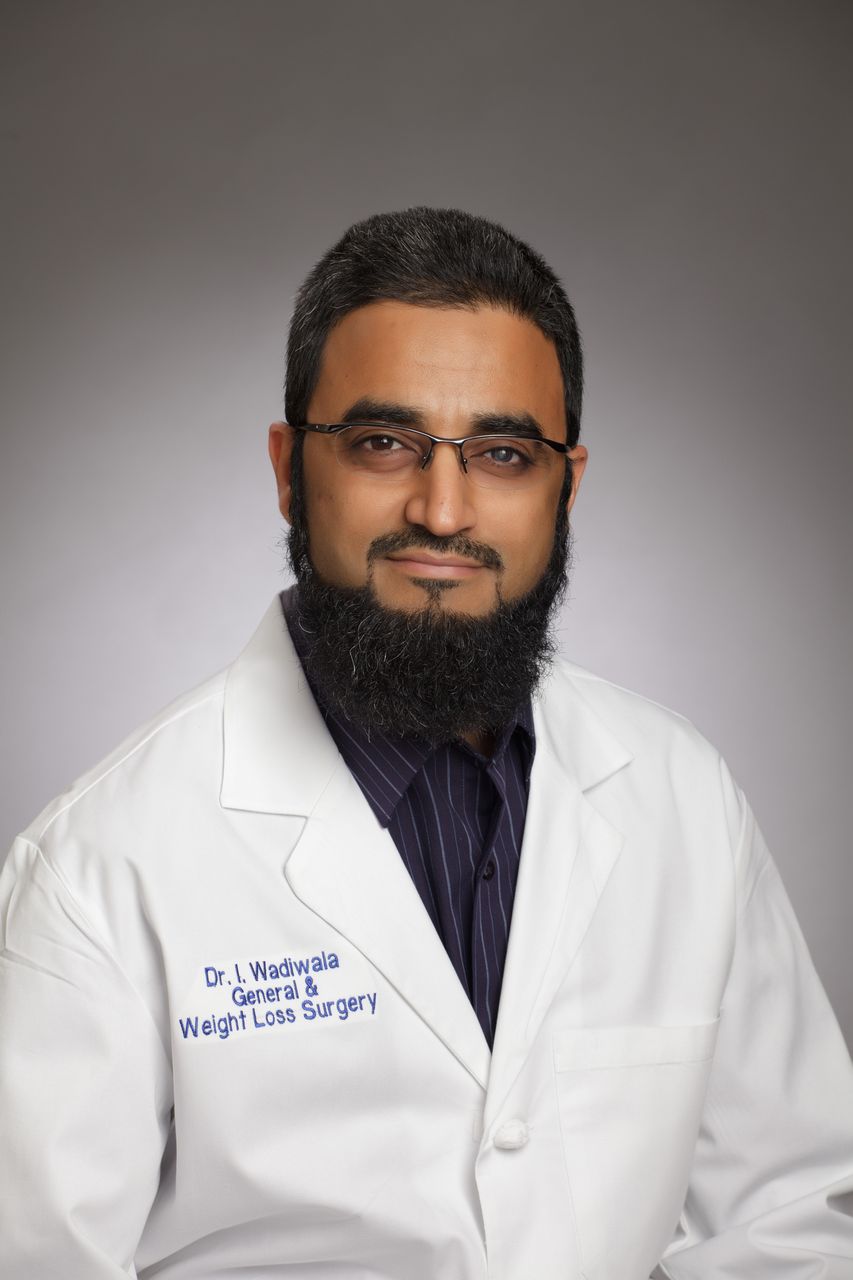
Dr. Wadiwala is a fellowship-trained bariatric and general surgeon with two decades of experience helping patients achieve meaningful, lasting weight loss. He founded Houston Surgical Weight Loss to give patients a practice that treats the whole person — not just the procedure — with honest guidance and steady support at every step, from the first consultation through long-term follow-up.
Every patient starts with a conversation. Here's what to expect from your first call to your first follow-up.
Discuss your health history, goals, and options with our care team, in person or virtually.
We verify your coverage and walk you through costs, financing, or self-pay options.
Dr. Wadiwala builds a surgical or medical weight-loss plan tailored to your goals.
Regular follow-ups with our surgical, nutrition, and coaching team keep you on track.
Everything was explained clearly.
I had an excellent experience with Dr.Wadiwala and his entire team from consultation to post-op care. Everything was explained clearly, the surgery went smoothly, and the recovery has been going very well. I am happy and felt supported by Dr.Wadiwala and his team in this life-changing journey. I highly recommend Dr.Wadiwala to anyone who is considering this procedure.
I’ve already lost 98 pounds.
Amazing thank dr for everything, I haven’t even been a year post-op and I’ve already lost 98 pounds. I still have 17 pounds to go.
Down 120 pounds.
Sleeved May 1st 2024. Recovery was good. No complications, everything went smoothly. Down 120 pounds. Thanks Dr
I couldn’t be happier or more satisfied.
I had gastric sleeve surgery a week ago, and my recovery has been fantastic. I followed all of Dr. Wadiwala’s and the nutritionist’s instructions to the letter, and everything has been perfect—no reflux, no pain, no constipation, and no nausea. The day of my surgery went perfectly; they were super punctual, the hospital was spotless, and the staff was very friendly. I was discharged by 2:00 pm. I’ve already lost 13 pounds. The doctor and his team are kind, very professional, and provide follow-up before, during, and after surgery. They speak Spanish and English. I couldn’t be happier or more satisfied.
The best decision.
It’s been 8 months since my surgery and it’s the best decision. Thank you, doctor!
He attended to us immediately.
Dr. Wadiwala is excellent, as is his entire team. They were very attentive and kind even before my surgery. After my surgery, I had some concerns about feeling unwell on the first day, so we contacted the doctor. He attended to us immediately, and his team continued to monitor me the following day. All the instructions have been clear, and I’ve been doing very well.
The best decision of my life.
Dr. Irfan I Wadiwala is excellent and undoubtedly the best doctor in the world. The best decision of my life was made in January 2024. I truly love the results of my bariatric surgery. The doctor is very kind and explains everything well. The staff is super friendly and attentive to all our needs. Recently, I had another gallbladder surgery, and the whole process has been easy, painless, and with a quick recovery. I honestly couldn’t have chosen a better doctor. He and his team are 100% recommended. He can help with gallbladder issues, hernias, and bariatric surgery.
Feeling better than I have in years!
Exceptional Drs and Staff. I am 4 weeks post op and feeling better than I have in years! Excited to set forth on this new journey.
Very happy with the results!
Excellent doctor and very attentive staff. One year after my surgery and I’m very happy with the results! Thank you all!
My recovery is progressing perfectly.
Everything is going very well, excellent condition, following all instructions to the letter. No pain beyond what is normal. My recovery is going well. My surgery was on Wednesday, April 15, 2026. I’ve been losing weight, and my recovery is progressing perfectly. Highly recommended.
They made me feel so at ease.
Everyone is so great here. I was so nervous and they made me feel so at ease. Highly recommend!
Healing is going well.
Surgery went well, healing is going well, I’ve ready lost 25 pounds in the first week, highly recommend
The service was absolutely wonderful.
For this being my first surgery, I am so thankful for Dr. Wadiwala and his team! The service was absolutely wonderful at the hospital and at the office. My recover has been wonderful! Thank you to Dr. Wadiwala and his team!
The absolute best doctor!
The absolute best doctor! Recommend him 100% Im 1 week post op and feel amazing.
At Houston Surgical Weight Loss, we make it easy to check your insurance coverage for bariatric surgery. Our team offers a free insurance verification to see if your plan covers weight loss surgery and to review your estimated out-of-pocket costs.
We accept most major commercial insurance, Medicare, and Medicaid plans to help more patients get the care they need. Our goal is to make the bariatric surgery process simple, clear, and stress-free.
With self-pay bariatric surgery starting at just $6,999, Houston Surgical Weight Loss offers one of the most affordable gastric sleeve and gastric bypass programs in the region.
We accept cash, cashier's checks, debit cards, credit cards, and financing to help make weight loss surgery possible. Flexible monthly plans and reduced-cost programs are available for qualifying patients.
Apply for financing online with Cherry or CareCredit.
*Additional program fee applies to all surgeries, and includes your initial and final consultations with your surgeon, educational materials, nutrition guidance, and access to our support programs.
Houston Surgical Weight Loss welcomes patients from across Texas and beyond. With the click of a button you can start your weight loss journey virtually with Dr. Wadiwala and our care team, then stay engaged with a program that takes you from your initial consultation through to your final visit and long-term follow-up.
Candidates typically have a BMI of 35+ (or 30+ with related health conditions like type 2 diabetes or hypertension). A consultation with Dr. Wadiwala will confirm eligibility based on your full health history.
Results vary by procedure and individual factors, but many surgical patients lose 60-80% of their excess weight within the first 12-18 months with consistent follow-up care.
Many insurance plans cover bariatric surgery when medical necessity criteria are met. Our team verifies your specific benefits before you commit to any next steps.
Our medical weight loss program offers a structured, physician-supervised alternative using nutrition planning, behavioral coaching, and medication support.
Dr. Wadiwala reviews your health history, weight-loss goals, and any prior procedures during your consultation to recommend the option best suited to your situation — whether that's gastric sleeve, bypass, balloon, or another approach.
Most patients stay one to two nights in the hospital and return to light daily activity within one to two weeks, with a gradual return to normal activity over the following month. Your care team will walk you through a personalized recovery timeline.
Yes. We offer virtual consultations and can coordinate travel and lodging guidance for patients traveling from outside the area for surgery.
Schedule a free, no-obligation consultation with our team to discuss your options and find out exactly what your insurance covers.