

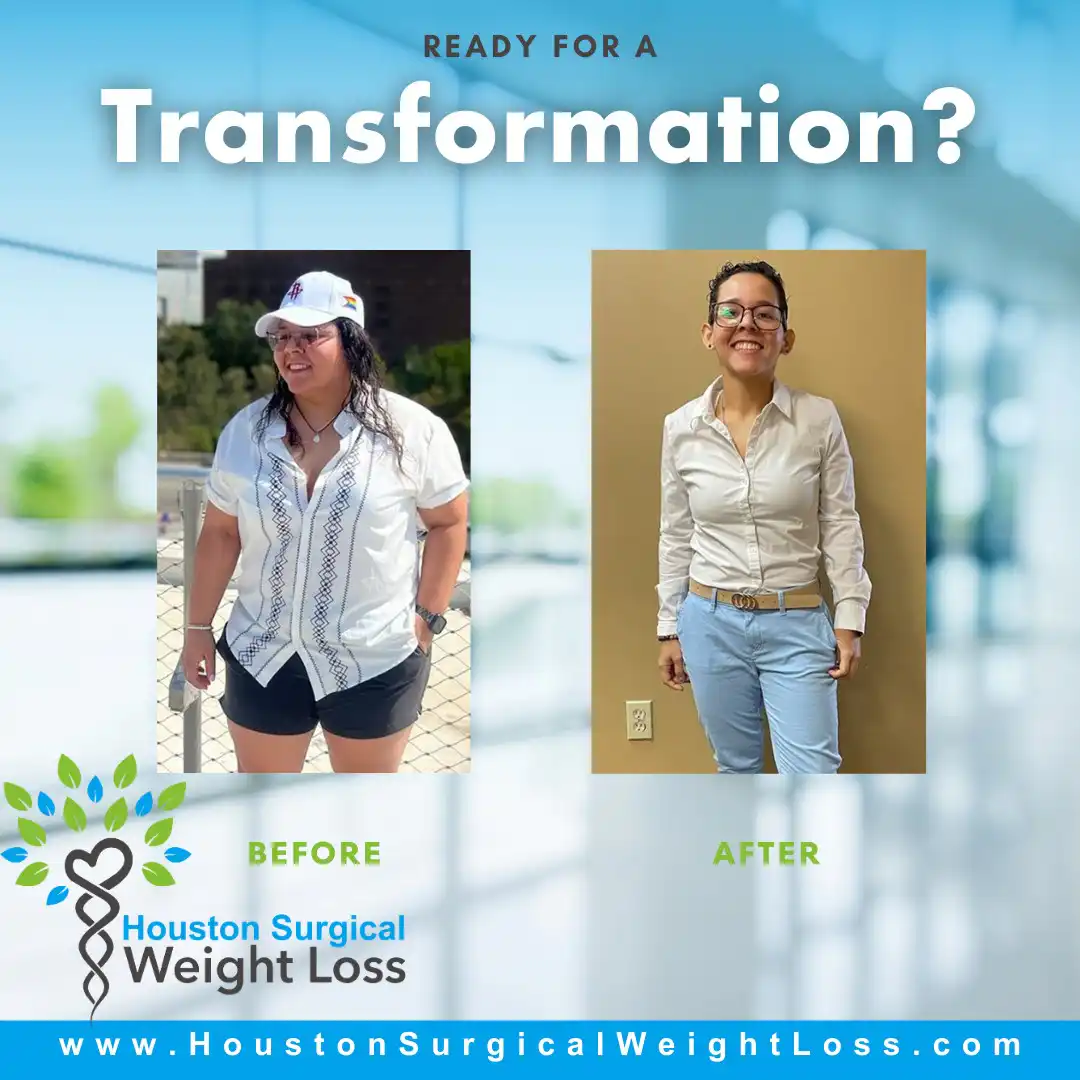
Weight loss surgery is a powerful tool that can transform lives. But while the surgery kick-starts weight loss, the real journey begins afterward. What you do in the months and years following the procedure will determine whether your results last.
Life after bariatric surgery requires a new way of thinking about food, exercise, and self-care. It’s about building sustainable habits that support not just your physical health, but also your emotional well-being.
The First Few Weeks After Surgery
The first few weeks after weight loss surgery focus on healing and recovery. During this time, your body is adjusting to its new structure and nutritional needs.
What to expect during this stage:
- You’ll start with a liquid diet to allow your stomach to heal.
- Gradually, you’ll transition to pureed foods, then soft foods, before returning to solid meals.
- Energy levels may be low, so light activity such as gentle walking is encouraged to improve circulation and prevent complications.
- Follow-up appointments with your surgical team will monitor your healing progress and provide guidance on next steps.
Post-Surgery Diet: Building a Healthy Relationship With Food
Your post-surgery diet will evolve as your body recovers. What you eat — and how you eat — plays a major role in maintaining weight loss and avoiding complications.
Stage 1: Liquids Only
- Clear broths, sugar-free drinks, and protein-rich liquids.
- Small, frequent sips throughout the day to stay hydrated.
Stage 2: Pureed Foods
- Blended foods such as pureed chicken, yogurt, or oatmeal.
- Focus on high-protein, low-fat meals to promote healing.
Stage 3: Soft Foods
- Soft scrambled eggs, steamed vegetables, or tender fish.
- Continue to eat slowly and chew thoroughly.
Stage 4: Solid Foods
- Gradually reintroduce lean meats, whole grains, and fresh produce.
- Avoid processed foods, sugary drinks, and high-fat snacks.
Essential tips for long-term success:
- Eat small, frequent meals instead of three large ones.
- Prioritize protein to support muscle health and prevent malnutrition.
- Drink plenty of water but avoid drinking 15-30 minutes before and after meals to prevent discomfort.
- Track your food intake to stay accountable and aware of portion sizes.
Exercise After Weight Loss Surgery
Physical activity is a cornerstone of long-term weight maintenance. While exercise isn’t the primary driver of initial weight loss, it’s crucial for sustaining results and improving overall health.
When to Start
- Begin with gentle walking as soon as your surgeon clears you — usually within the first week.
- Increase activity gradually as your energy and strength improve.
Recommended Types of Exercise
- Cardio:
- Walking, swimming, cycling, or low-impact aerobics.
- Aim for at least 150 minutes per week once fully healed.
- Strength Training:
- Light weights or resistance bands to build lean muscle.
- Start 4-6 weeks post-surgery with medical clearance.
- Flexibility & Core Work:
- Yoga, stretching, or pilates to improve mobility and balance.
Why exercise matters:
- Helps maintain weight loss by burning calories and boosting metabolism.
- Improves heart health and reduces risk of chronic conditions.
- Strengthens muscles and joints for improved physical function.
- Supports mental health by reducing stress and boosting mood.
Mental Health and Emotional Well-Being
Weight loss surgery impacts not only your body but also your emotions and mindset. Many patients experience a range of feelings, from excitement and relief to anxiety and stress.
Ways to support your emotional health:
- Join a support group: Connecting with others who understand your journey provides motivation and accountability.
- Work with a therapist or counselor: Address emotional eating, body image concerns, or relationship changes.
- Celebrate non-scale victories: Focus on improved mobility, energy, and health — not just the number on the scale.
- Practice mindful eating by paying attention to hunger cues and eating without distractions.
Preventing Weight Regain
Weight regain is a common concern, but with the right strategies, it can be prevented.
Tips to stay on track:
- Stick to your meal plan and avoid skipping meals.
- Keep a food and activity journal to monitor progress.
- Continue taking prescribed vitamins and supplements to prevent deficiencies that may trigger cravings.
- Schedule regular check-ins with your bariatric care team.
- Identify emotional triggers for overeating and develop healthy coping mechanisms.
Long-Term Success: Ongoing Support and Follow-Up Care
Bariatric surgery is just the beginning. Ongoing care is essential for maintaining your results and staying healthy.
Follow-up care should include:
- Routine appointments with your surgeon and care team to monitor your progress.
- Blood work to check vitamin and mineral levels.
- Support group participation for accountability and encouragement.
- Adjustments to your meal plan and exercise routine as your needs evolve over time.
Think of your bariatric team as partners in your journey — they are there to guide you through challenges and celebrate your successes.
Disclaimer
This article is for educational purposes only and does not replace medical advice. Always consult your bariatric surgeon, dietitian, or healthcare provider before making changes to your diet, exercise, or lifestyle. Every patient’s journey is unique, and only a qualified professional can create a plan that meets your specific needs.