

If you’ve been struggling to lose weight despite trying diets, exercise, or medications, you may be asking, “Am I a candidate for weight loss surgery?” This is one of the most important and high-intent questions people search when considering a long-term solution for obesity.
Weight loss surgery, also known as bariatric surgery, is not just about reducing weight—it is about improving overall health, preventing serious medical conditions, and helping patients regain control of their lives.
What Is Weight Loss Surgery
Weight loss surgery includes medical procedures designed to help individuals lose significant weight by changing how the digestive system works.
These procedures:
- Reduce stomach size
- Limit food intake
- Improve metabolism
- Balance hunger hormones
For many patients, this is the most effective long-term solution when traditional methods fail.
Who Qualifies for Bariatric Surgery
Not everyone qualifies for bariatric surgery, but many people who struggle with weight loss may be eligible.
General eligibility includes:
- BMI of 40 or higher
- BMI of 35+ with obesity-related conditions
- Difficulty losing weight through diet and exercise
- Commitment to long-term lifestyle changes
If you are unsure, a professional evaluation for weight loss surgery candidate can help determine your eligibility based on your health and goals.
BMI Requirements Explained
Body Mass Index (BMI) is one of the main factors used to determine eligibility.
BMI categories:
- 30–34.9 → Overweight (possible candidates in some cases)
- 35–39.9 → Obesity (with health conditions)
- 40+ → Severe obesity (strong candidate)
While BMI is important, it is not the only factor. A full medical evaluation provides a clearer picture.
Health Conditions That Support Eligibility
Many patients qualify for surgery because of underlying health conditions related to obesity.
Common qualifying conditions:
- Type 2 diabetes
- High blood pressure
- Sleep apnea
- Heart disease
- Joint problems
These conditions often improve or resolve after surgery.
When Diet and Exercise Are Not Enough
Many individuals feel discouraged after trying multiple diets without success. This is more common than people realize.
Weight loss resistance can be caused by:
- Slow metabolism
- Hormonal imbalance
- Long-term obesity
- Genetic factors
If you’ve been struggling, understanding options such as weight loss surgery options can provide a new path forward.
Types of Weight Loss Surgery
There are several procedures available, each designed for different needs.
Common procedures include:
- Gastric sleeve surgery
- Gastric bypass surgery
- Revision bariatric surgery
Each option offers unique benefits, and comparing gastric sleeve vs bypass helps determine which procedure is best suited for your goals.
What to Expect Before Surgery
Preparation is an important part of the process and ensures long-term success.
Steps before surgery include:
- Medical evaluation
- Nutritional counseling
- Lifestyle adjustments
- Psychological readiness
Understanding preparing for weight loss surgery helps patients feel confident and ready for the journey ahead.
Life After Weight Loss Surgery
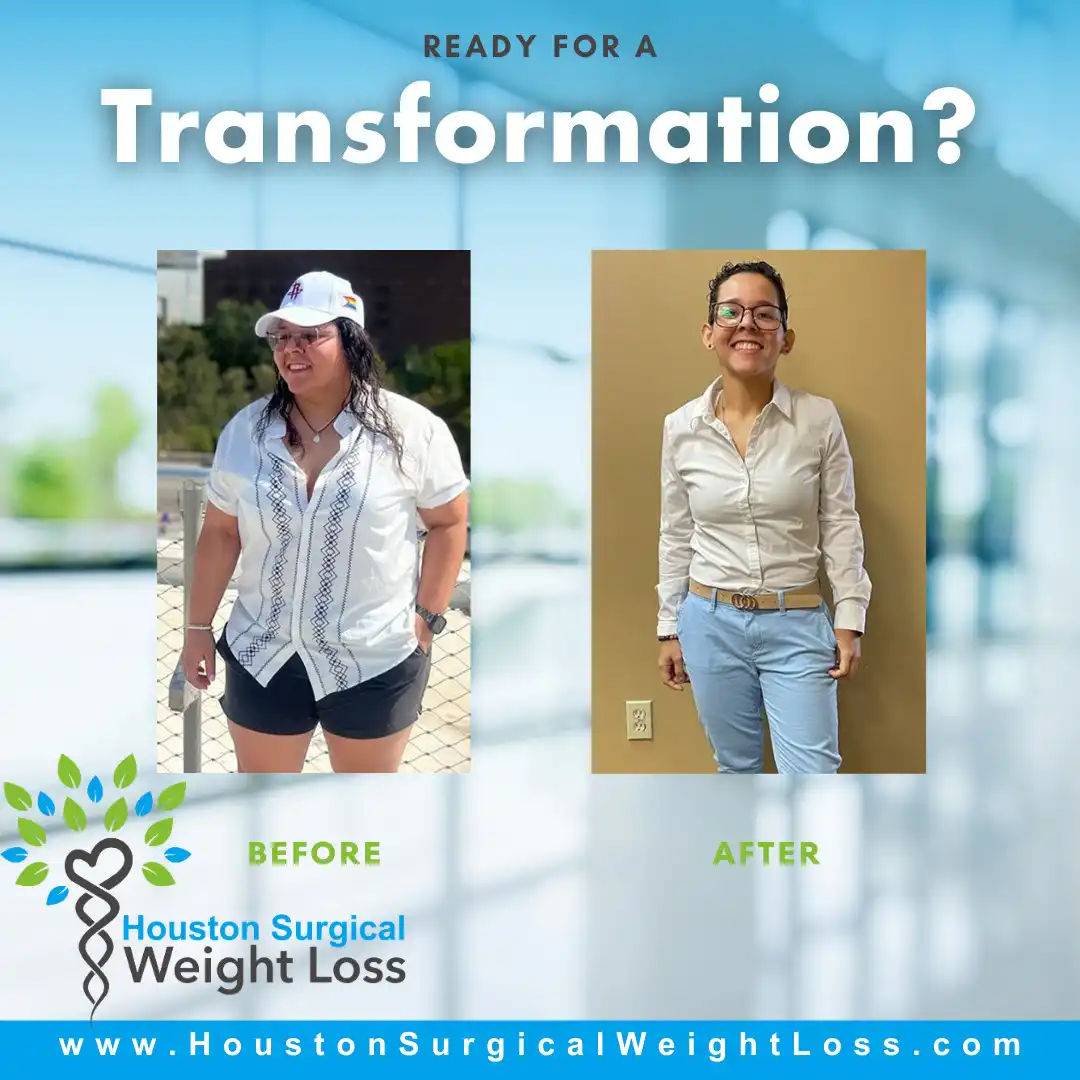
Surgery is just the beginning of a transformation journey.
After surgery, patients typically experience:
- Significant weight loss
- Improved energy levels
- Better control over hunger
- Improved overall health
Learning about life after weight loss surgery helps set realistic expectations and prepare for long-term success.
Is Weight Loss Surgery Safe?
Modern bariatric surgery is safe and effective when performed by experienced surgeons.
Advancements in minimally invasive techniques have improved:
- Safety
- Recovery time
- Long-term outcomes
Choosing a qualified and experienced team is key to success.
FAQ
Who is a candidate for weight loss surgery?
Individuals with BMI 40+ or BMI 35+ with health conditions may qualify.
Can I qualify with a lower BMI?
In some cases, yes, especially if serious health conditions are present.
How do I know if surgery is right for me?
A consultation with a bariatric specialist can determine eligibility.
Is weight loss surgery permanent?
Yes, but success depends on long-term lifestyle changes.
Final Thoughts
If you’ve been asking, “Am I a candidate for weight loss surgery?”, the answer depends on your health, history, and long-term goals. For many individuals, bariatric surgery offers a life-changing solution when other methods have not worked.
At Houston Surgical Weight Loss, patients receive expert, compassionate care designed to deliver safe and lasting results. Led by experienced bariatric specialists, the team focuses on personalized treatment plans that help individuals achieve meaningful, long-term weight loss and improved health.
Taking the first step toward a consultation can help you understand your options and begin your journey toward a healthier future.
Disclaimer
This content is for informational purposes only and does not replace professional medical advice. Always consult a qualified healthcare provider.


